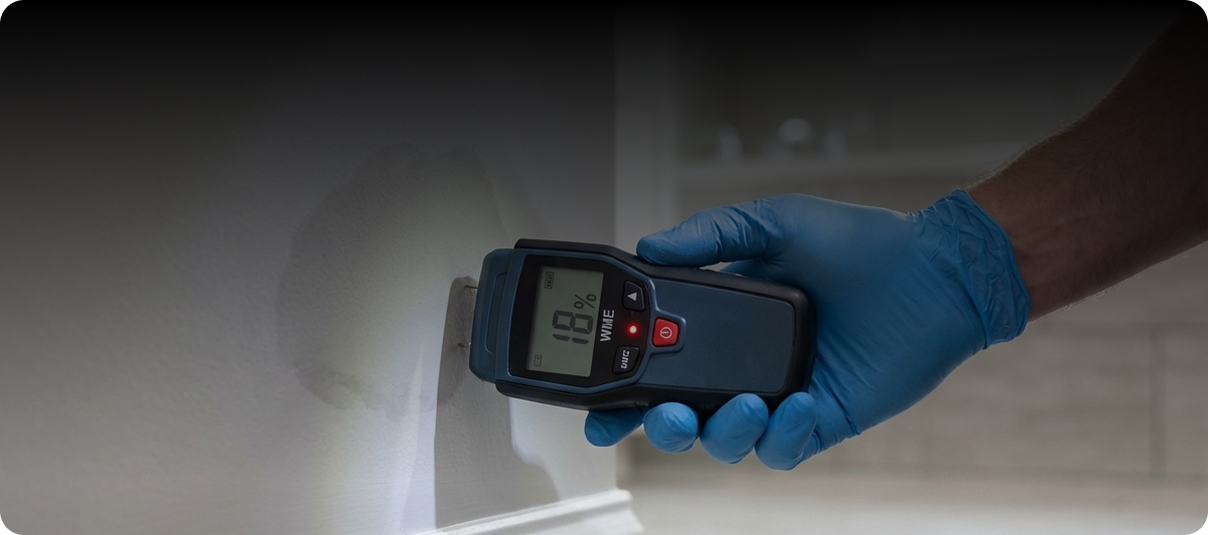


A slow drain is usually the first warning sign — and it’s tempting to “fix it fast” with harsh chemicals or random tools. The problem is that many quick fixes damage seals, weaken older pipes, or push the clog deeper. In this guide, you’ll learn the safest checks you can do at home, what actually works for common clogs, and when it’s smarter (and cheaper) to get a professional drain cleaning quote.
Start With the Safe, High-Impact Checks
Before you disassemble anything, do two quick tests: run hot water for 30 seconds and check whether the drain speeds up, then try a plunger with a wet cloth sealing the overflow (for sinks and tubs). If the drain improves, you’re likely dealing with soap scum, grease, or hair buildup near the top of the line.
Next, remove the strainer and clean visible debris. For kitchen sinks, avoid pouring boiling water into PVC or older plastic fittings — use hot (not boiling) water instead. If you have a garbage disposal, turn off power first and inspect with a flashlight (never your hand). Many “mystery clogs” are simply buildup at the entry point.
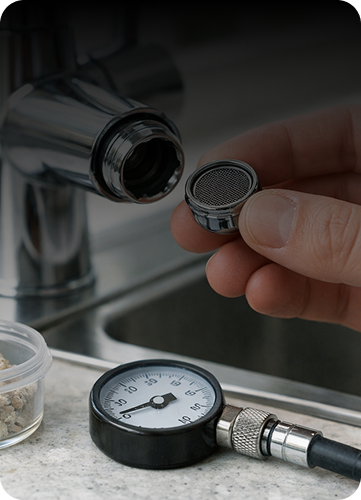
Clean the P-Trap the Right Way
If the sink is still slow, the next safest move is cleaning the P-trap. Place a small bucket underneath, loosen the slip nuts, and gently remove the trap. You’ll usually find grease, food sludge, or hair packed inside. Rinse it thoroughly and check the washers for wear.
When you reassemble, hand-tighten first, then snug lightly — overtightening can crack fittings or distort seals. Turn water on and check for leaks immediately. If the drain is still slow after a clean trap, the clog is likely deeper in the branch line, and aggressive DIY methods can make things worse.
Avoid These “Quick Fixes” (They Often Backfire)
Chemical drain cleaners can soften seals, corrode metal, and create dangerous fumes — especially if the clog is stubborn and the product sits in the pipe. Wire hangers can scratch pipe interiors or push clogs deeper. And high-pressure DIY air blasters sometimes force water into places it shouldn’t go, especially in older systems.
If multiple drains are slow, you hear gurgling, or odors keep returning, it may be a venting issue or a developing main-line blockage. That’s the moment to stop experimenting and request professional quotes. A pro can use a drain snake, hydro-jetting, or CCTV inspection to confirm the cause and fix it properly — often faster than repeated DIY attempts.